Challenge
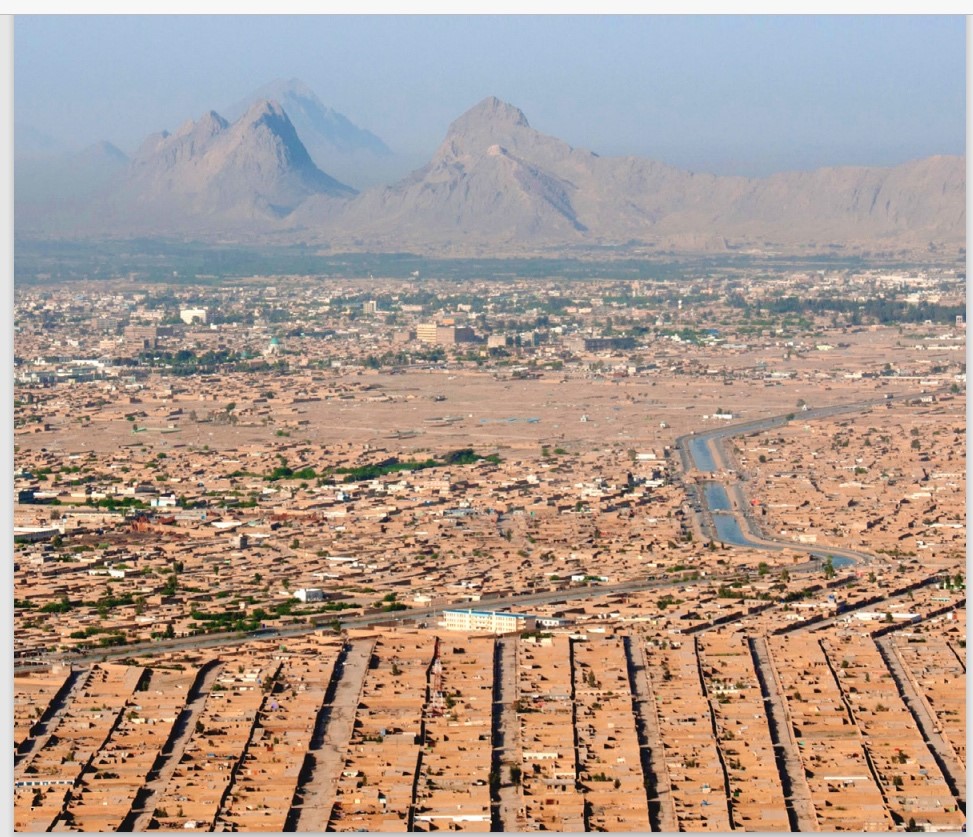
In Kandahar, Afghanistan, informal settlements are highly vulnerable to environmental hazards, including floods, landslides, and extreme weather events. Poor infrastructure, inadequate drainage systems, and unstable terrain exacerbate the risks faced by residents, leading to displacement and loss of livelihoods.
Solution
To address the pressing need for disaster risk reduction and resilience-building in Kandahar’s informal settlements, the Afghan Center for Urban Studies and Municipal Affairs launched a project focused on strengthening community resilience and enhancing preparedness for natural disasters.
Implementation
The project employed a participatory approach, engaging community members in risk assessments, hazard mapping, and contingency planning exercises. Local volunteers were trained as community leaders and equipped with skills and knowledge to coordinate emergency response efforts and disseminate early warning messages.
Infrastructure upgrades were implemented to mitigate the impact of disasters, including the construction of retaining walls, drainage systems, and emergency shelters. Community-based disaster management committees were established to oversee ongoing risk reduction activities and ensure the sustainability of interventions.
Impact
Through proactive risk reduction measures and community-led initiatives, the project significantly improved the resilience of informal settlements in Kandahar. By strengthening social networks, enhancing communication channels, and investing in infrastructure upgrades, the initiative reduced the vulnerability of residents to natural hazards and increased their capacity to withstand and recover from disasters.
Moreover, the project empowered communities to take ownership of their resilience-building efforts, fostering a sense of collective responsibility and solidarity. By leveraging local knowledge and resources, the initiative demonstrated the effectiveness of bottom-up approaches in enhancing urban resilience and protecting vulnerable populations.
 Afghan Center for Urban Studies and Municipal Affairs